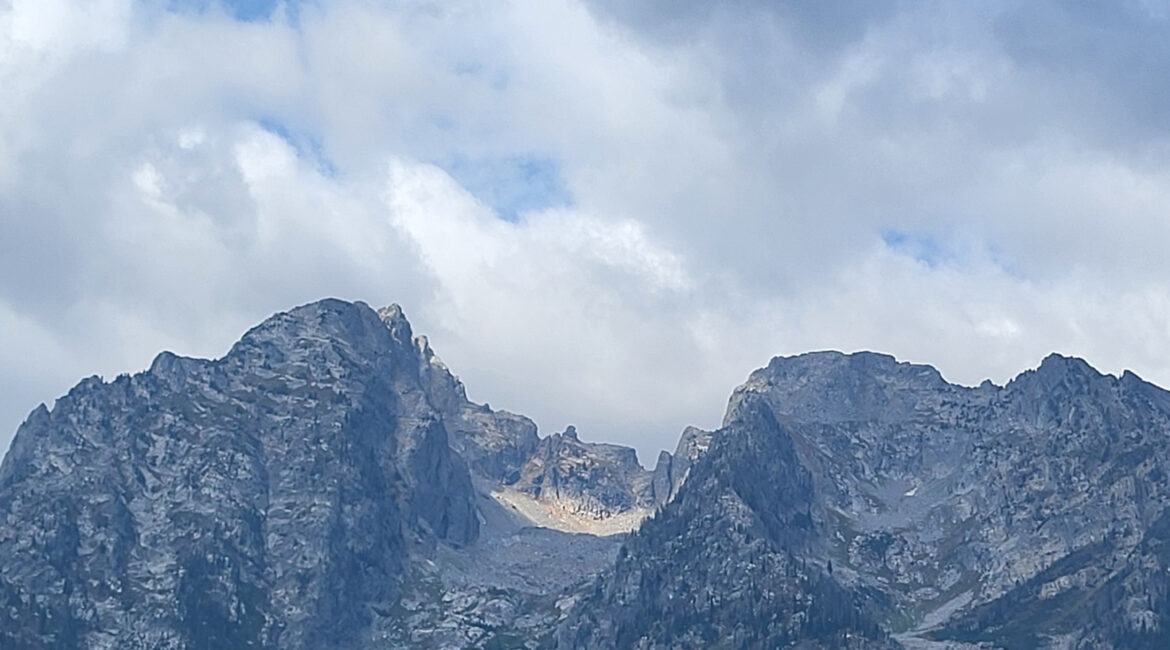
Grand Teton National Park through the Lens of Dennis Sotolongo
There are places that feel less like destinations and more like awakenings. Grand Teton National Park in Wyoming stands as one of those rare places. From the moment I lifted my camera toward the jagged Teton skyline, I immediately felt awe, focus, and deep gratitude wash over me.
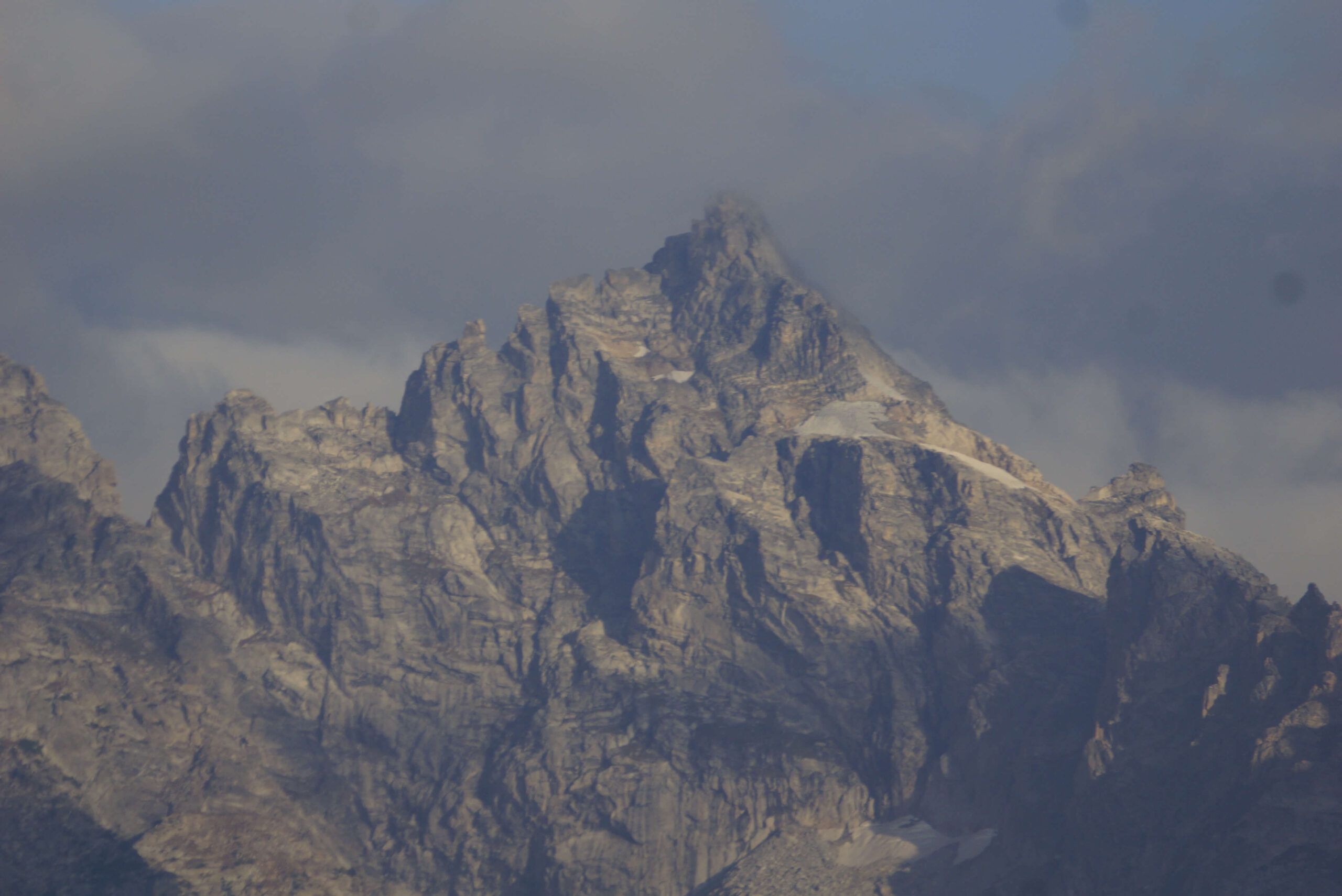
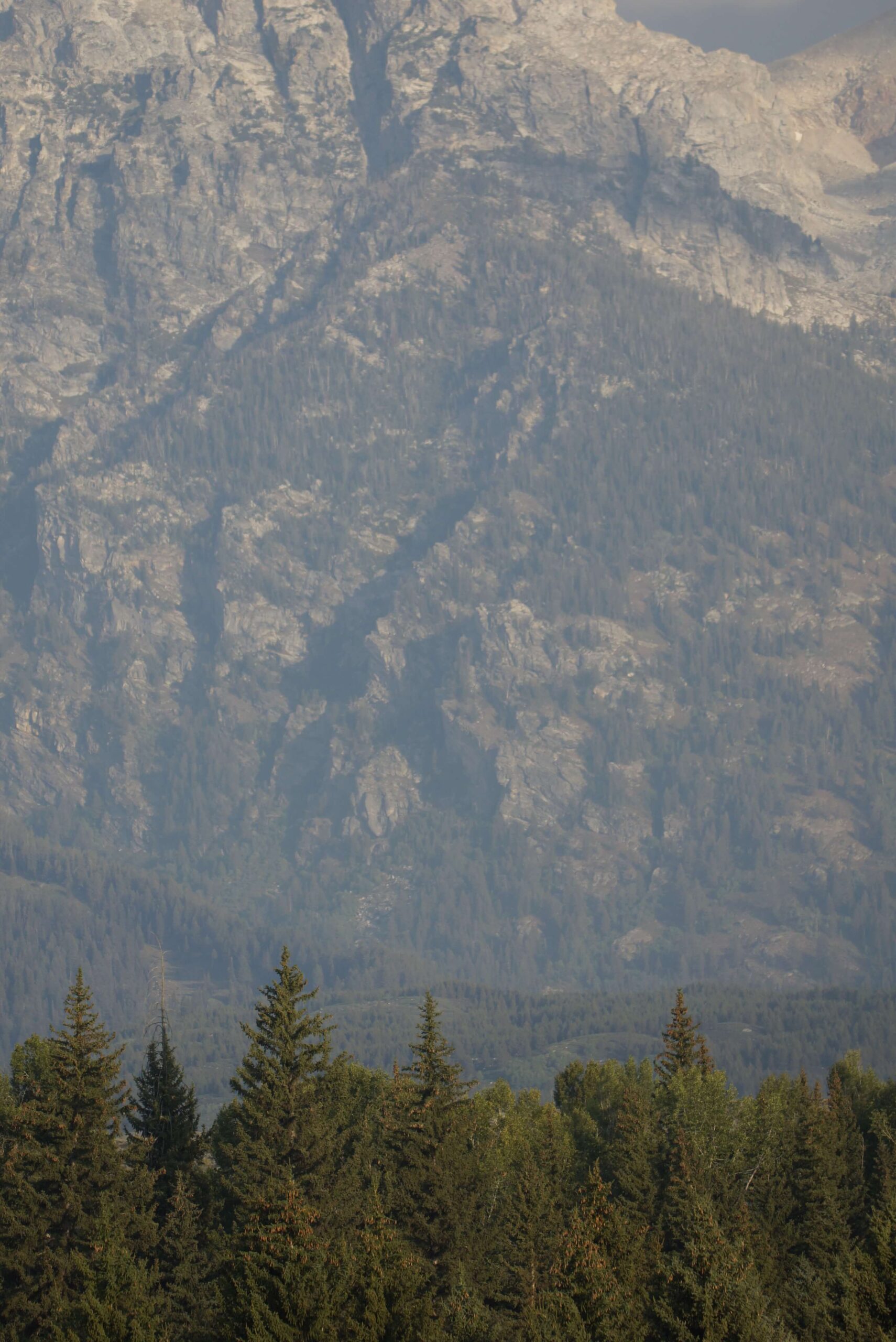
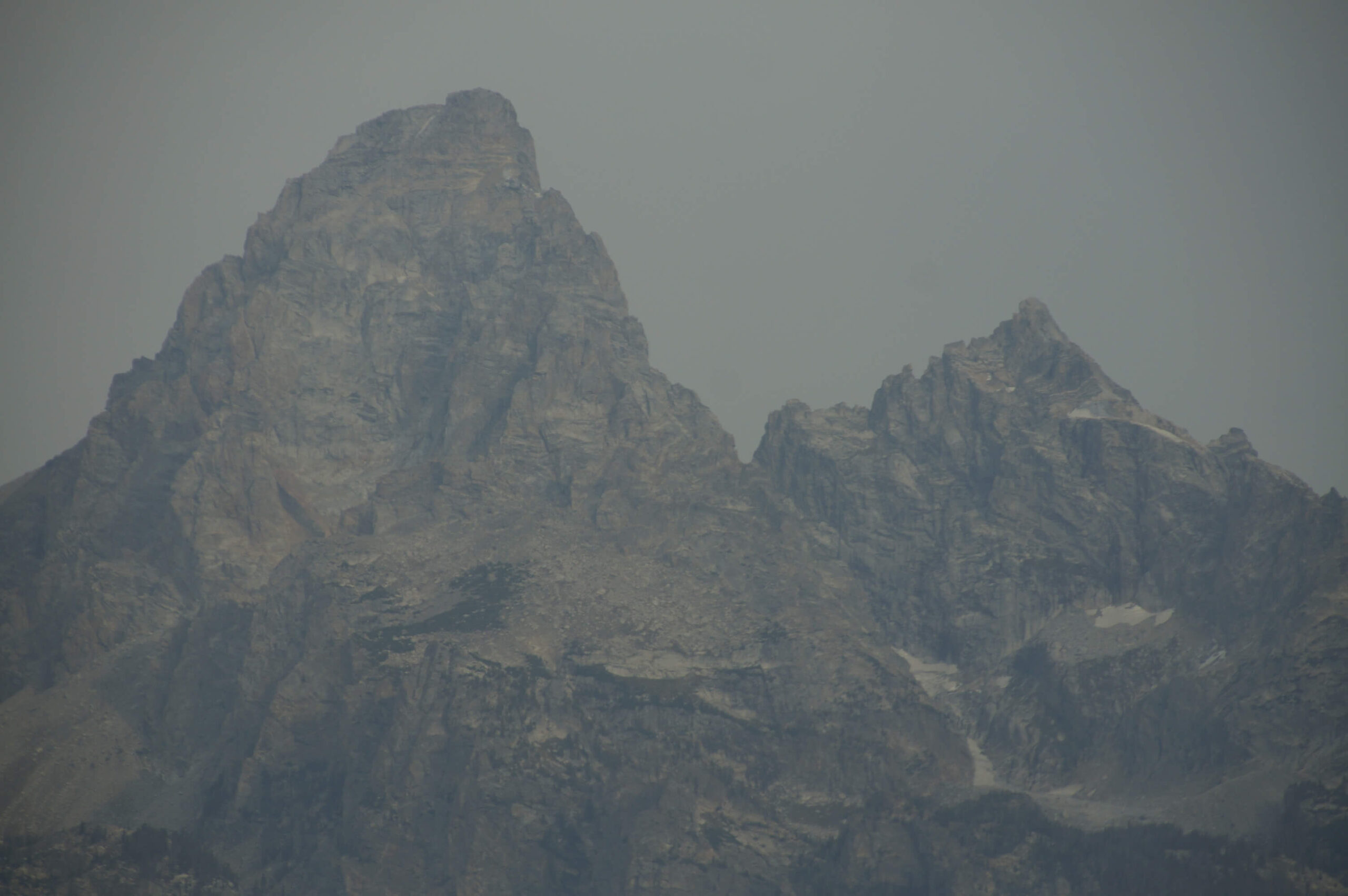
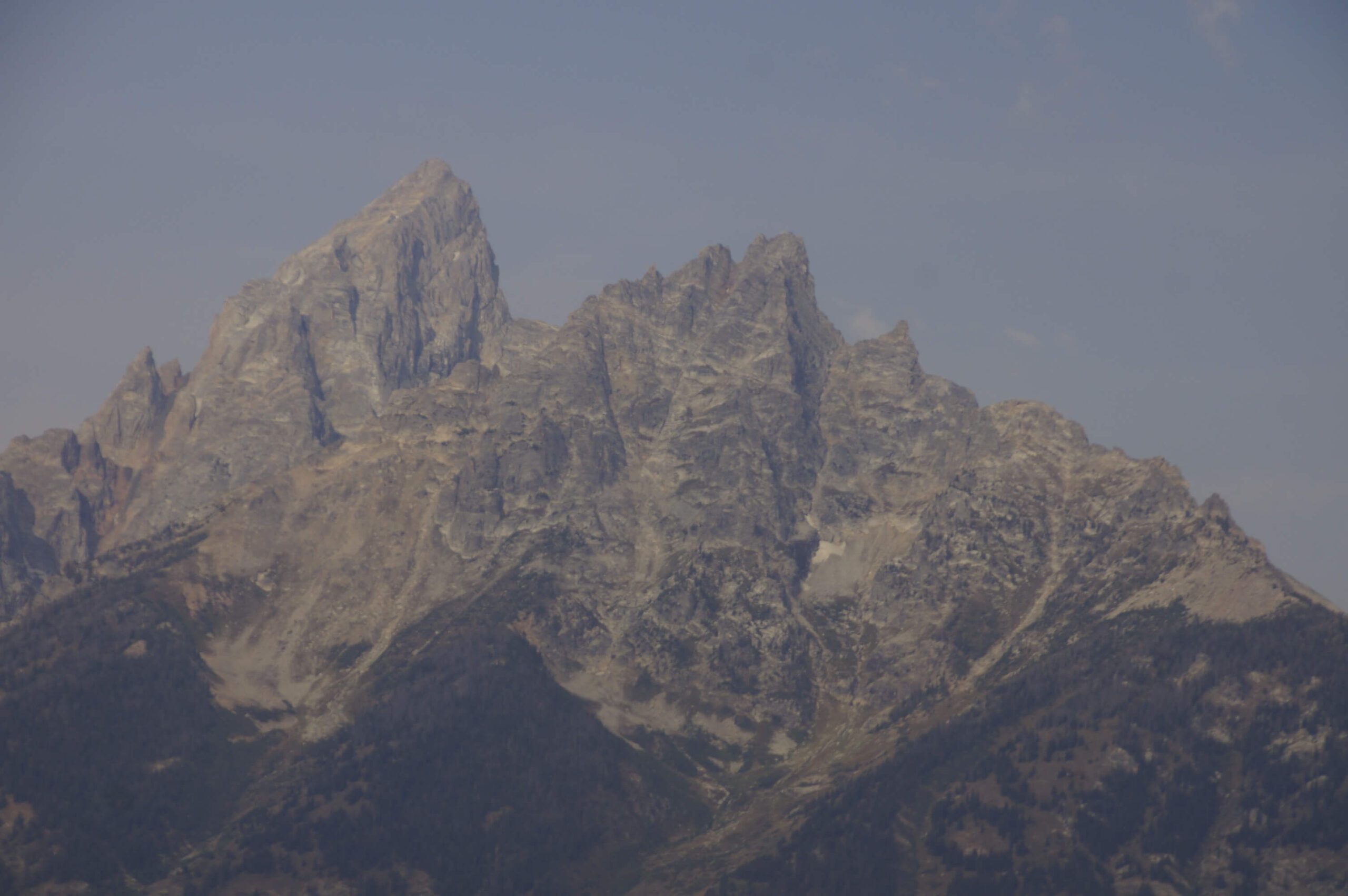
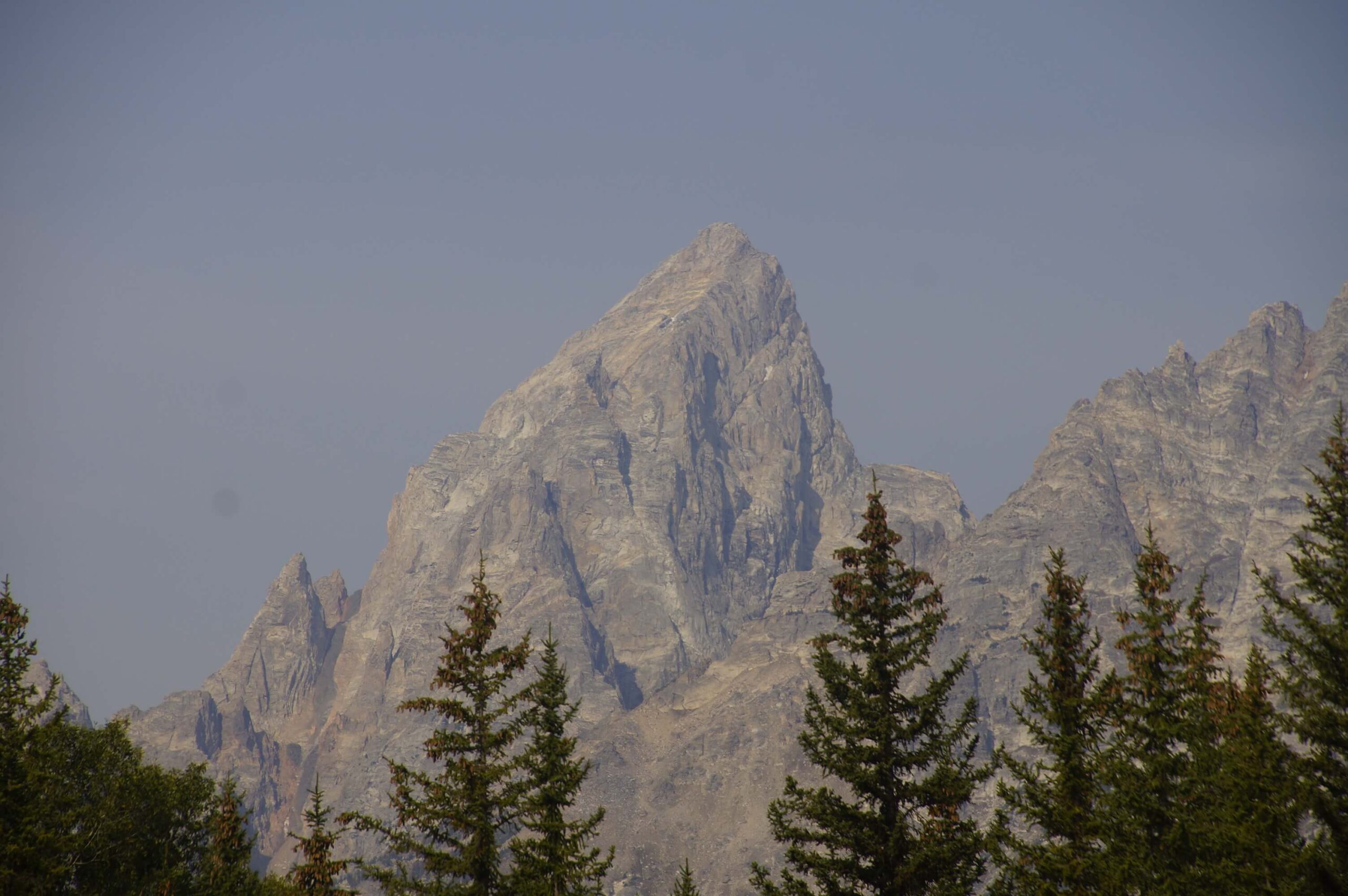
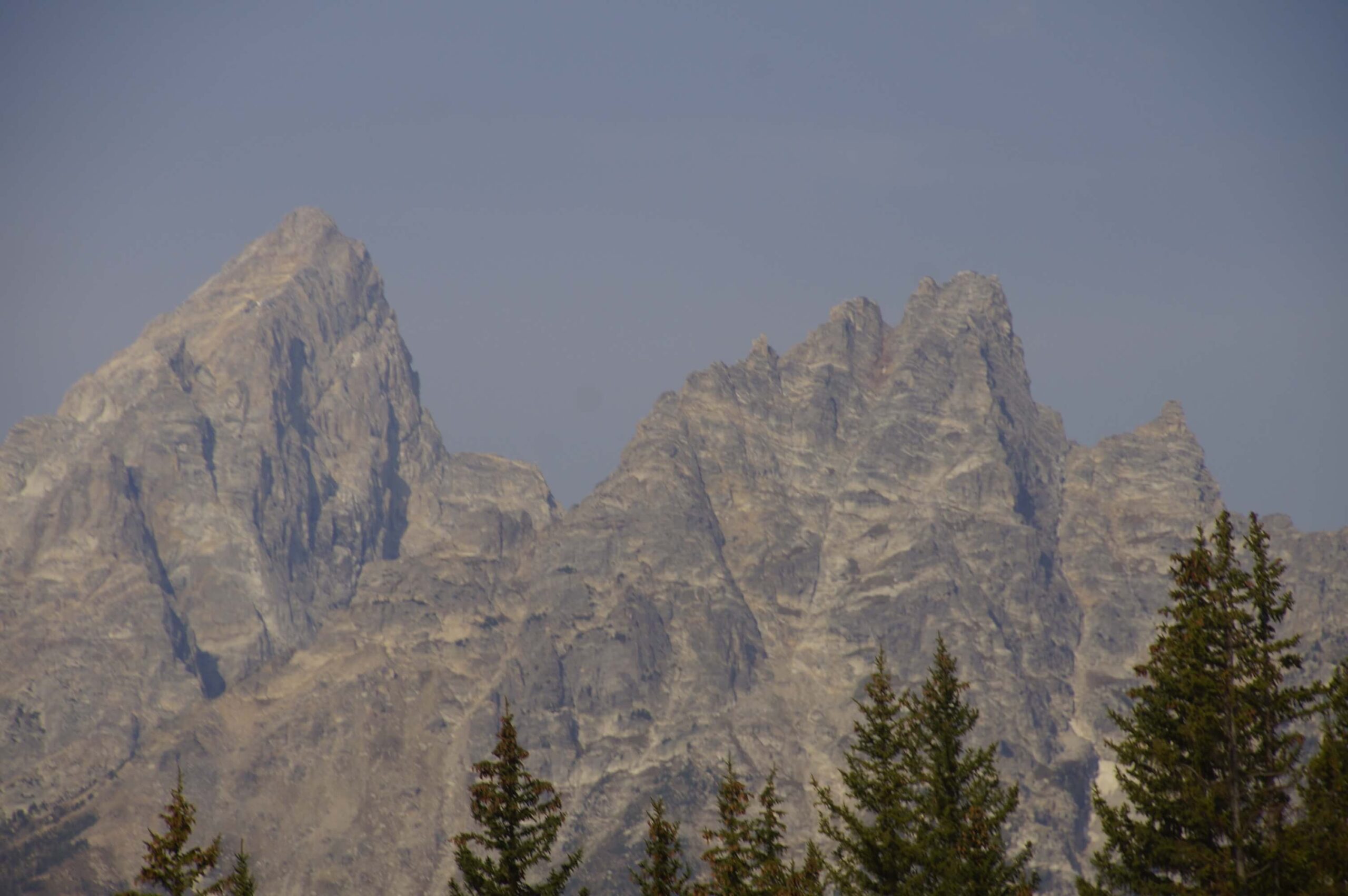
To begin with, Grand Teton rises to 13,775 feet, and its sharp summit commands attention. Ice, time, and immense geological force shaped its dramatic profile. Furthermore, from the flat valley floor of Jackson Hole, the mountain climbs nearly 7,000 vertical feet. This rise creates one of the most impressive elevation gains in North America. Each time I photograph it, the mountain feels like a stone cathedral built by nature alone.
However, the mountain’s story extends far beyond its height. The name Grand Teton carries a bold and colorful history. French-Canadian fur trappers in the 19th century reportedly called the three main peaks “Les Trois Tétons,” meaning “the three breasts.” The tallest peak became “the big breast.” While the name may sound crude or poetic, depending on your view, it reveals an honest and instinctive reaction to the landscape. Over time, the name persisted and merged fully with the mountain’s identity.
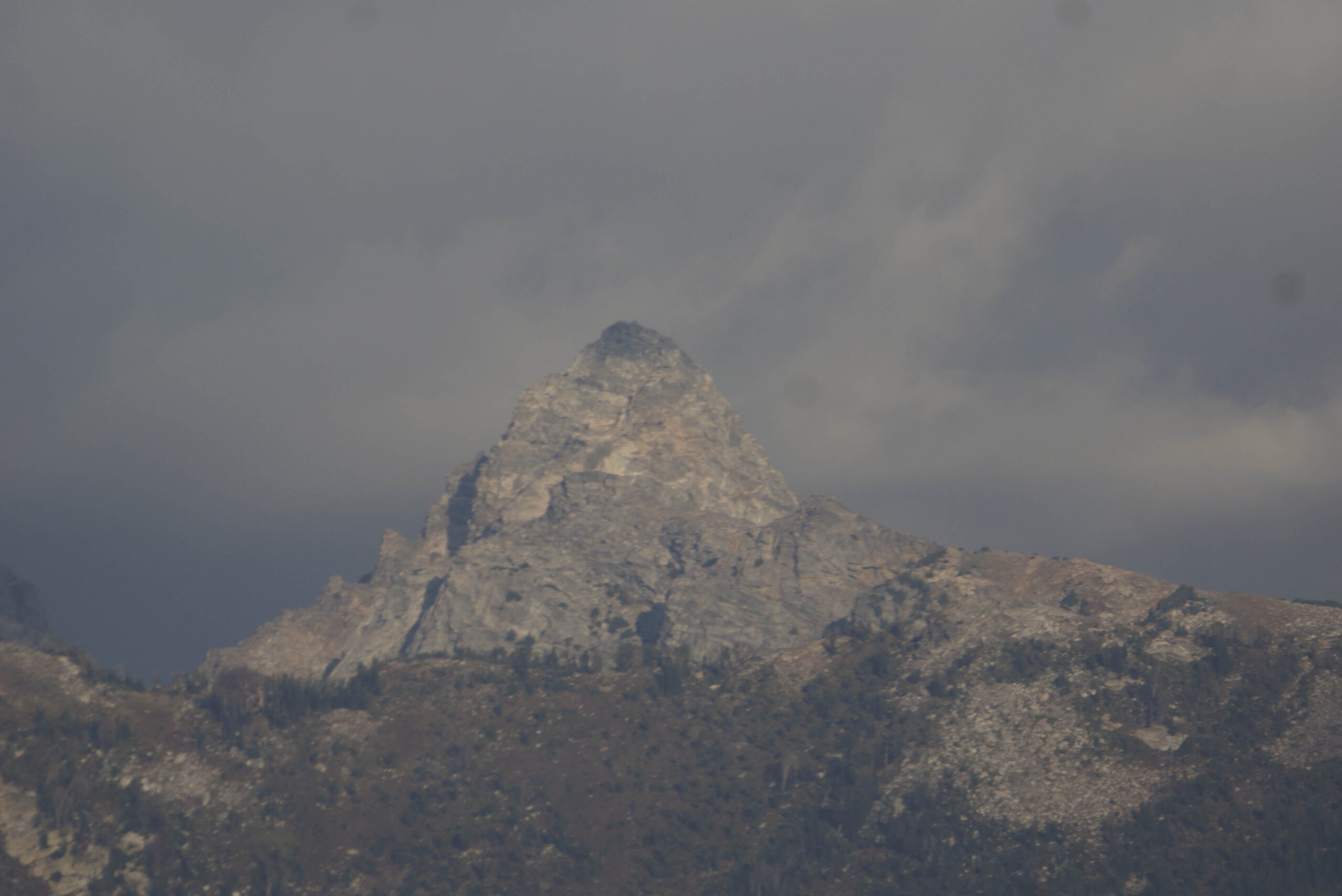
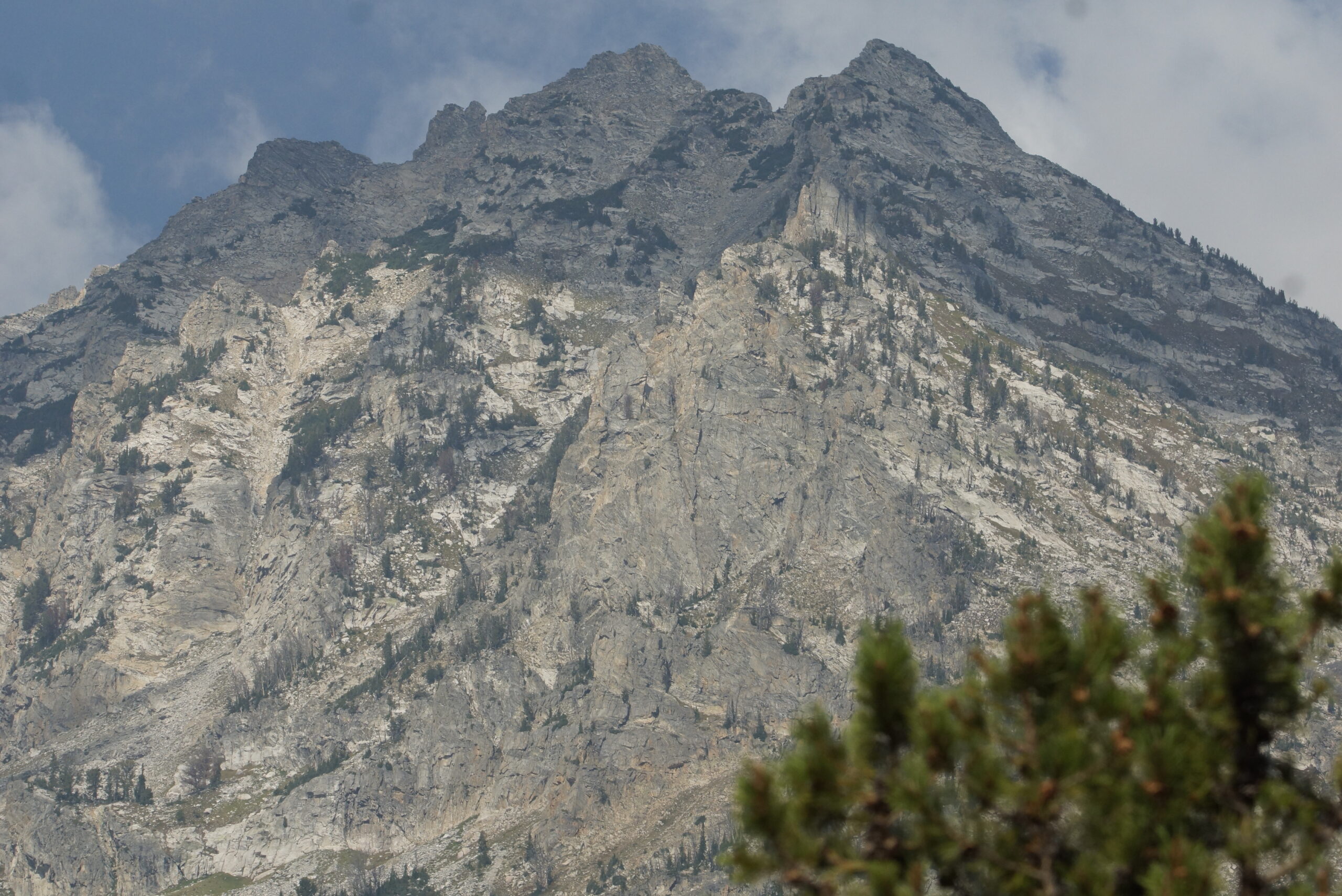
As the day changes, the Tetons transform with it. As a photographer, I return to the range for its clean lines and powerful shapes. At sunrise, warm gold light ignites every ridge. By contrast, midday light sharpens the granite. Later, sunset softens the peaks with purples and deep blues. With each passing hour, a new mood emerges and a fresh story unfolds.
Ultimately, through my photographs, I try to capture more than the mountain. Instead, I aim to share the feeling it creates—humility, wonder, and a deep gratitude for witnessing such raw beauty.
Dennis Sotolongo
naturewildlifeworld.com